
Possessions and the Failure of Fairness
The War of the RosesThis thread follows the competing definitions of fairness that turn marital property into a measure of sacrifice, identity, and power.
increasing Bearing strength in each event
 decreasing
Bearing strength in each eventdecreasingA Generous First Offer

A Generous First Offer
Oliver Rose’s Measure
Oliver Rose offers half the value of the home and says he wants to avoid a custody battle. He regards the proposal as generous because it recognizes the property as jointly made.
A Different Measure Emerges
Barbara Rose does not want a cash equivalent. Her response reveals that the spouses are not arguing over the same meaning of fairness.
Labor Without a Salary
Labor Without a Salary
Contributions Counted Differently
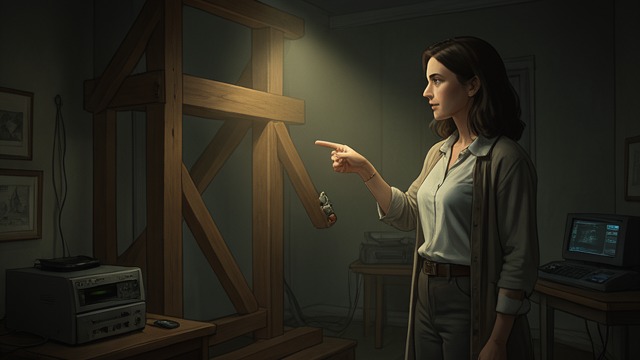
Barbara Rose points to years spent supporting Oliver Rose, caring for the children, and working on the house. She argues that those contributions cannot be matched by her present earning power.
The Home as Evidence
She sees possession of the house as recognition of work that did not produce a separate paycheck. Fairness therefore means more than dividing the asset by a simple monetary formula.
The Collection’s Sentimental Value

The Collection’s Sentimental Value
Objects as Memories
Oliver Rose points to his orchids, tools, wine, and Staffordshire figures as parts of a life he knows intimately. The collection represents years of choices and care rather than a list of sale prices.
Sentiment Conflicts with Settlement
Murray Goldstein urges a practical view of property, but Oliver Rose experiences division as the destruction of a total world. Emotional value makes compromise seem like self-betrayal.
The Object Becomes a Target
The Object Becomes a Target
Damage as a Message
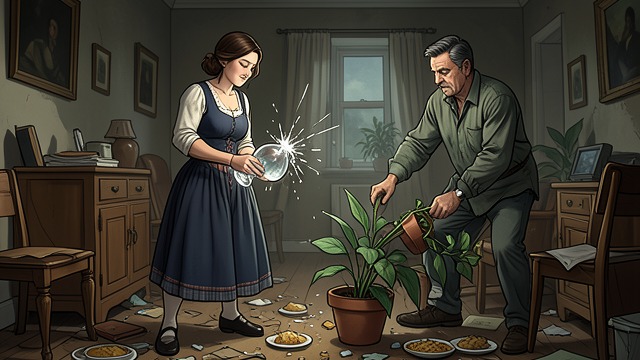
The spouses damage plants, food, wine, appliances, and furniture to communicate anger through property. The value of an object lies in its ability to hurt the other person as much as in its practical or financial worth.
Fairness Gives Way to Punishment
Each side treats the other’s possessions as legitimate targets after feeling wronged. The question of what is fair becomes difficult to separate from the desire to make the other suffer.
No Settlement Survives
No Settlement Survives
Property Outlasts Agreement
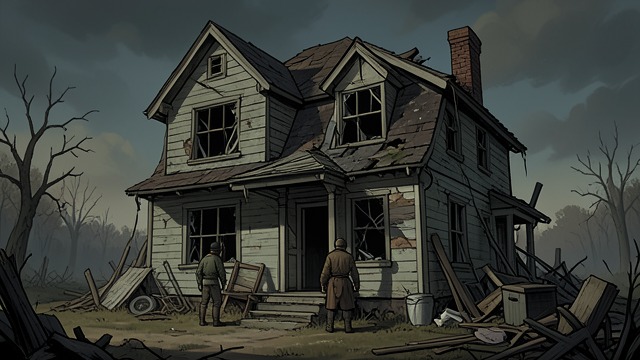
The spouses continue to fight over the house even after its rooms and belongings have been damaged beyond useful repair. The home’s condition makes the original settlement question increasingly abstract.
Fairness Has No Final Judge
The collapse ends the dispute through death rather than adjudication. Neither spouse receives the property as a meaningful victory, and the question of fairness remains unresolved for the survivors.
At the first settlement conversation with Murray Goldstein
During Barbara Rose’s meeting with Harry Thurmont
As Oliver Rose explains why he cannot move out
During the later retaliatory phase
At the final collapse of the house
